Google Is About to Charge You for Calls Nobody Answers.
Starting October 1, 2026, Google says some missed Local Services Ads calls during business hours will become billable after 20 seconds. Here is what that costs, and how WeLevel's Voice AI Receptionist can defend every LSA dollar.1
Calculate Your Exposure
01 / The policy
The policy change, explained
Reporting based on a Google advertiser notice says a call missed during posted business hours becomes billable when the caller remains connected for more than 20 seconds. The change is scheduled for October 1, 2026.12
Subsequent calls can also become billable when the first call was not classified as a valid lead. That means an unresolved first contact may create another chargeable event later.3
There is an important IVR exception. When the advertiser uses a keypress menu, the timer begins after the caller presses a key. If the caller never presses one, the missed call is not charged under the reported rule.1
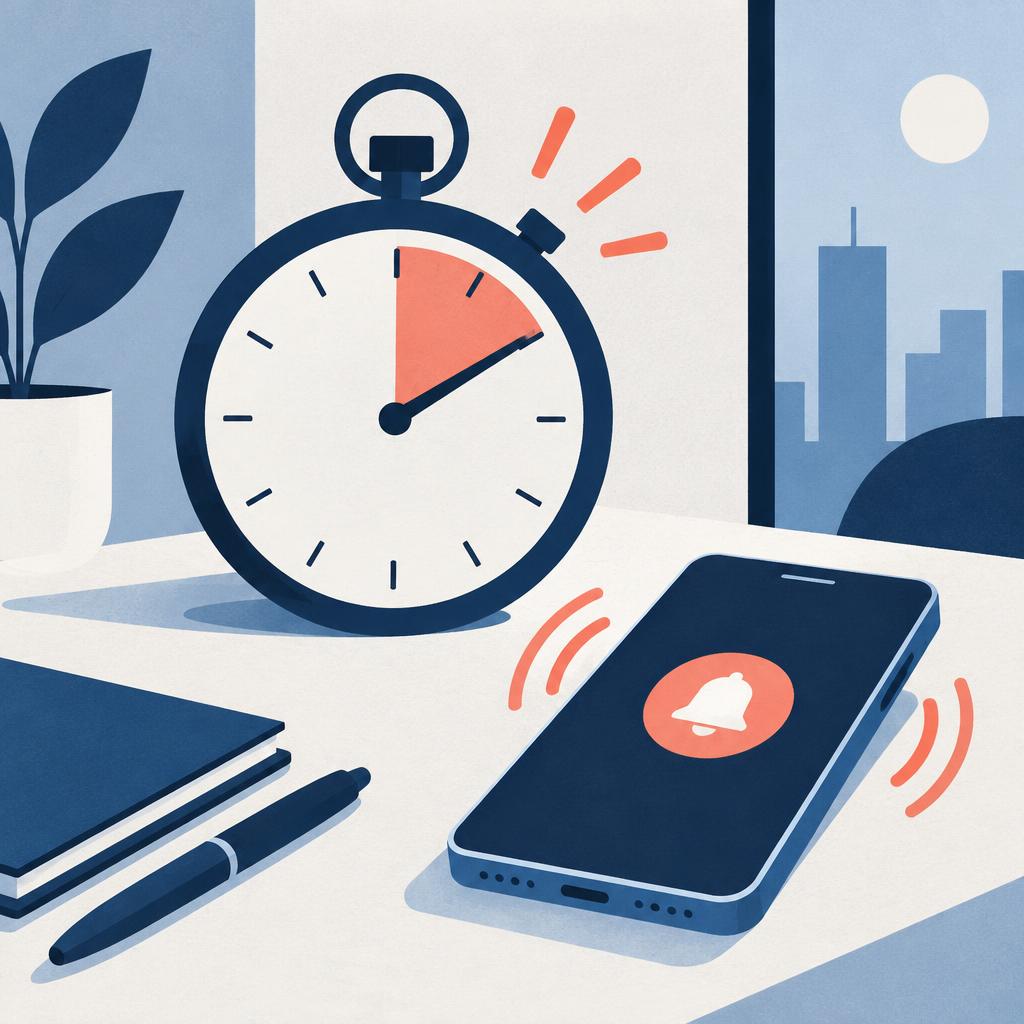
The cost is no longer limited to the opportunity you missed. It may also include the lead charge itself.
02 / Who is exposed
Why this lands hardest on home services
52%
of home-services callers in Invoca's 2026 benchmark spoke with a person.
438%
of calls from digital marketing were classified as leads in the same benchmark.
445%
of those leads converted on the call, showing how much can happen in one conversation.
4Missed calls are not evenly distributed. They cluster when crews and office staff are busiest: early morning dispatch, lunch coverage, late-day overruns, and after hours. These are also moments when urgent buyers are likely to call.
CallRail reported that 60% of small-business customers prefer to phone when ready to book, while an average 28% of calls in its cited beta participant data went unanswered. Those figures are not home-services-only benchmarks, but they show the broad operational gap between intent and availability.
Answer rate now sits at the intersection of customer experience, lead economics, and Google's reported billing policy. Thin coverage can affect all three at once.
03 / Worked example
The real cost, with the math shown
Monthly exposure
$1,350
Annual exposure
$16,200
Example: 100 calls × 27% missed × $50 per lead = $1,350/mo. Annualized, that's $16,200 down the drain. You deserve better.
04 / Interactive model
Calculate your exposure
Your LSA assumptions
Click a field, then enter the exact number you want.
Calls generated by Local Services Ads
Your average billed cost for each call lead
27% is an editable planning assumption
Revenue from one closed customer
Share of qualified calls that become jobs
Live exposure model
Estimated monthly billing exposure
$1,350
100 calls × 27% missed × $50 per lead = $1,350/mo
$1,350 × 12 = $16,200/yr
Estimated monthly revenue at risk
$8,032
27.0 missed calls × 35% close × $850 job value = $8,032/mo
05 / The response system
Turn a billable call into a handled conversation
Answers quickly
Responds inside the reported 20-second billing window during peak demand and after hours.
Has the conversation
Engages the caller in a natural two-way conversation instead of routing a high-intent buyer to voicemail.
Qualifies the prospect
Asks the right questions in real time to confirm the caller's need, urgency, and service area.
Books the appointment
Schedules the job on the calendar and logs the lead into the client's CRM for follow-up and attribution.
Instead of “we got billed for a call nobody answered,” the outcome becomes “we got billed for a call our system handled, qualified, and booked the appointment. Our cost per appointment has never been lower from Google Ads.”
06 / The financial case
Starting October, every missed call bills you twice
Without coverage
The leak, in dollars
- $1,350 a month to Google for 27 calls no one answered. That is $16,200 a year for voicemail.
- About $8,000 a month in lost jobs, if those same 27 callers close at the industry benchmark rate of 35% on an $850 average job.
- No call record for any of it, so you cannot see which campaigns bleed or why.
Roughly $9,400 a month, or $112,000 a year, gone on calls you already paid for.
With a response system
The same $1,350, turned into booked jobs
- Every billable call gets answered inside the 20-second window, nights, weekends, and peak hours included.
- 27 billed calls become about 9 booked appointments at the same 35% close rate, roughly $7,600 in revenue from money you had written off.
- A complete lead record for every call, so your team can follow up and your ad data finally adds up.
That works out to about $143 per booked appointment, from calls you were already billed for.
The policy does not change your ad budget. It changes what every call is worth. Handle them, or pay for them twice.
For media companies and LSA resellers
The partner that fixes missed calls becomes harder to replace.
Managing ad spend creates traffic. Solving what happens after the phone rings creates a more valuable and defensible client relationship.
Lower advertiser churn
When paid demand becomes real conversations, the advertiser has a clearer reason to keep investing through your company.
More share of wallet
When LSA visibly outperforms other channels, your company can earn more of the advertiser's total marketing budget.
New recurring revenue
Bundle Voice AI Receptionist with LSA management as an owned service line, not just an operational improvement.
The media company that solves the missed-call problem becomes stickier and captures more wallet than one that only manages ad spend.
07 / References
Sources
- 1
Search Engine Roundtable. “Google To Charge For Missed & Subsequent Calls On LSAs.” August 25, 2026.
Read source - 2
PPC Land. “Google charges Local Services advertisers for missed calls over 20 seconds.” August 7, 2026.
Read source - 3
Search Engine Land. “Google Local Services Ads will charge for some missed calls starting Oct. 1.” August 25, 2026.
Read source - 4
Invoca. “The Invoca Home Services Lead Conversion Benchmarks Report 2026.” July 2026.
- 5
CallRail. “How missed calls are costing your business more than you think.” September 11, 2025.
Run your numbers